Views: 0 Author: Site Editor Publish Time: 2026-10-31 Origin: Site
Switching to LED sports lighting offers significant long-term cost savings through energy efficiency, lower maintenance, and extended lifespan. AOK Industrial Company Limited, a leading manufacturer based in Shenzhen, China, provides professional sports lighting solutions that maximize these benefits. Founded in 2012, AOK has developed a strong reputation for high-quality, innovative products, including fixtures with up to 220 lm/W efficacy and tool-free maintenance designs. The company's sports lighting complies with FIFA standards and has been deployed in diverse projects globally, from U.S. municipal streetlights to Middle Eastern infrastructure. By leveraging advanced optical design, smart controls, and a comprehensive certification portfolio, AOK ensures reliability and performance while reducing total cost of ownership. Energy savings of 50-70% and reduced maintenance and replacement costs lead to a payback period of typically 2-5 years, followed by decades of savings. AOK's flexible production models, regional protection, and responsive after-sales support further enhance the value proposition. With over 10,000 projects and one million units installed, AOK demonstrates proven expertise. For facility owners and contractors, the long-term economic and environmental advantages of switching to AOK LED sports lighting are undeniable, making it a strategic investment that yields substantial returns.
The Long-Term Cost Savings of Switching to LED Sports LightSports lighting has undergone a significant transformation in recent years. The shift from traditional metal halide or high-pressure sodium lamps to LED lighting is not just a matter of technological advancement; it is a strategic financial decision that yields substantial long-term benefits. For facility owners, stadium managers, and engineering contractors, understanding the true cost implications of lighting choices is essential. LED sports lighting offers superior energy efficiency, reduced maintenance, and a longer operational lifespan, making it an investment that pays for itself over time. One company at the forefront of this revolution is AOK Industrial Company Limited (AOK), a leading manufacturer of professional sports lighting solutions with over a decade of experience.
Established in 2012, AOK has grown into a global player in the LED lighting industry. With its production base in Shenzhen, China, and a factory spanning approximately 10,000 square meters, the company has developed a reputation for delivering high-quality, reliable, and innovative lighting products. AOK’s commitment to research and development has led to numerous advances in efficiency and durability, including the introduction of tool-free maintenance luminaires and solar-powered systems achieving an impressive 220 lm/W. These innovations are not just technical achievements; they directly contribute to reducing the total cost of ownership for sports lighting installations. When evaluating the switch to LED sports lights, the long-term cost savings are undeniable, and AOK’s products demonstrate exactly how these savings can be realized.
Historically, sports venues relied on high-intensity discharge (HID) lamps, such as metal halide and high-pressure sodium, to illuminate playing fields. These lamps provided adequate brightness but were plagued by numerous inefficiencies. They consumed vast amounts of electricity, had relatively short lifespans (often requiring replacement every few years), and produced a significant amount of heat. Moreover, their warm-up and restrike times could take several minutes, causing delays and safety concerns. The lighting quality also degraded over time, affecting visibility for players and spectators. For decades, these were the only practical options, but their operational costs were high.
The advent of LED technology revolutionized the lighting industry, and sports lighting was no exception. LEDs offer instant-on functionality, precise light control, and exceptional energy efficiency. Initially, the high upfront cost of LED luminaires made some buyers hesitant. However, as technology matured and prices decreased, the economic advantages of LEDs became compelling. Today, switching to LED sports lighting is widely recognized as one of the most effective ways to reduce operating expenses while improving the quality of illumination. AOK, with its focus on mid-to-high-end outdoor lighting solutions, has been instrumental in this transition, delivering products that are not only affordable but also engineered for maximum return on investment.
undefined
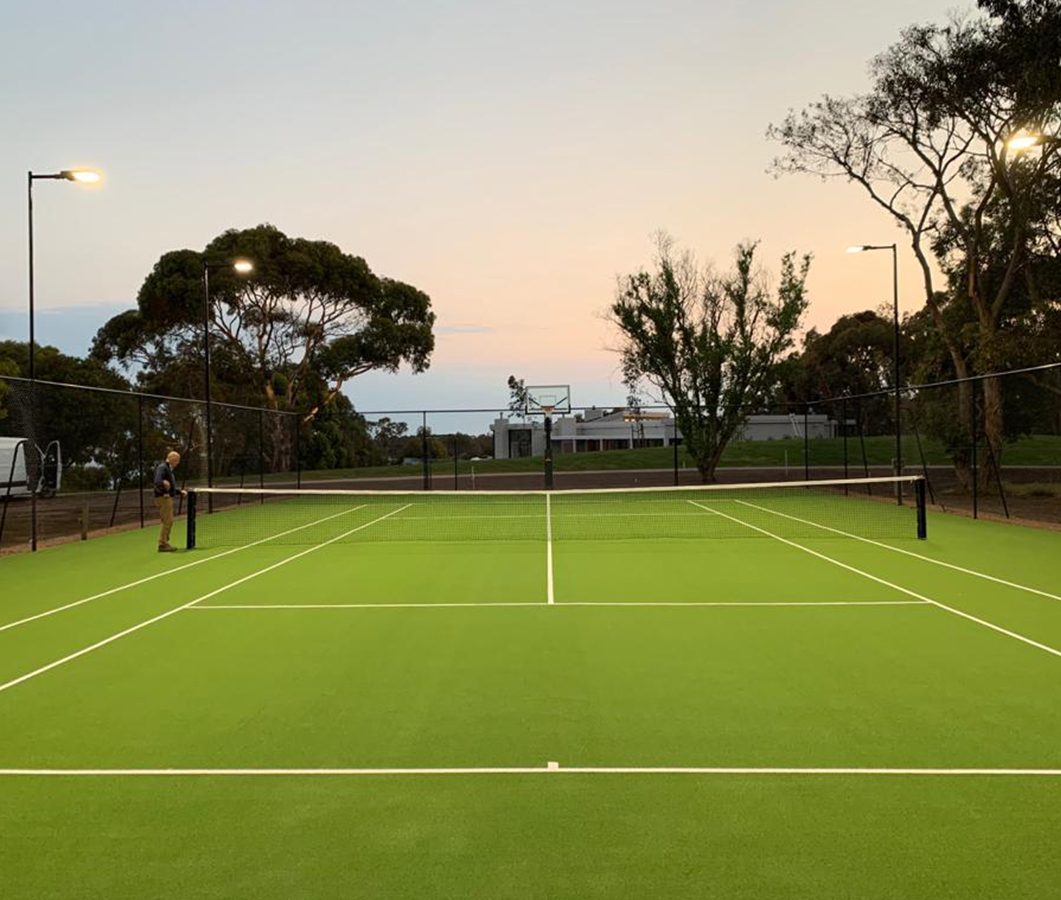
When assessing the cost of a sports lighting system, it is crucial to look beyond the initial purchase price. A comprehensive analysis must consider the total cost of ownership (TCO), which encompasses energy consumption, maintenance, replacement parts, labor, and potential downtime. Traditional lighting systems often carry a lower initial price tag, but their operational costs are significantly higher. Energy costs alone can dwarf the upfront capital expense over the lifespan of the system. For example, a typical stadium with a 500-lux lighting level may consume hundreds of thousands of kilowatt-hours per year. At an average electricity price, this can amount to tens of thousands of dollars annually. LED lighting systems, on the other hand, reduce energy consumption by 50% to 70%, generating massive savings year after year.
Maintenance is another major cost component. Traditional lamps have a lifespan of approximately 10,000 to 20,000 hours, meaning they may need replacement every few years, especially in facilities that host regular events. Replacing lamps often requires specialized equipment and labor, especially for high-mounted fixtures, and leads to operational downtime. In contrast, high-quality LED luminaires from manufacturers like AOK are designed to last 50,000 to 100,000 hours, significantly reducing the frequency and cost of replacements. AOK’s innovative tool-free maintenance design takes this a step further by allowing quick, on-site servicing without special tools, minimizing labor costs and maximizing uptime. These factors combine to make a compelling case for LED lighting from a total cost perspective.
Energy consumption represents the largest portion of the operating cost for any sports facility. LED technology excels in converting electricity into visible light, with luminous efficacy far exceeding that of traditional lamps. AOK has consistently pushed the boundaries of efficiency. In 2012, its street lighting products already achieved an industry-leading efficacy of 130 lm/W. Through continuous optimization of LED packaging, optical lens design, and driver systems, the company has further improved efficiency while maintaining stability. For sports lighting, high efficacy means fewer luminaires are needed to achieve the required lux levels, and each luminaire uses less power. This directly translates into lower electricity bills.
To illustrate, consider a typical football field illuminated to 500 lux. A traditional metal halide system might require 60 fixtures of 2000 watts each, consuming a total of 120,000 watts. An LED system, with an efficacy of 150 lm/W or higher, might require only 40 fixtures of 1100 watts each, consuming 44,000 watts. The energy savings are approximately 63%. Over a year, with 500 hours of operation, the traditional system uses 60,000 kWh, while the LED system uses 22,000 kWh. At $0.12 per kWh, the annual savings amount to $4,560. Over a 10-year period, this saves $45,600 – a substantial sum that far outweighs the initial price difference. AOK provides lighting simulation services to help precisely calculate such savings for specific projects, ensuring clients make informed decisions.

Furthermore, AOK has introduced a new generation of solar street lighting systems with a maximum luminous efficacy of up to 220 lm/W. While primarily designed for street lighting, the same high-efficiency technology is applied to sports lighting products. By combining high efficacy with intelligent control systems, AOK luminaires can be dimmed or turned off when not in use, further reducing energy consumption. These smart controls, part of AOK’s broader 5G smart light pole offerings, allow for daylight harvesting and occupancy detection, ensuring that energy is not wasted. In a sports venue, such controls can adjust lighting levels based on available natural light or the presence of players and spectators, delivering substantial additional savings.
Maintenance can be a hidden but significant cost in sports lighting. Traditional lamps have a shorter lifespan, and their performance degrades over time, requiring more frequent replacements. Replacing a high-mounted sports light is a costly and labor-intensive process. It often involves renting telescopic lifts, hiring certified electricians, and scheduling replacements during off-hours to avoid disrupting events. The replacement lamp itself may cost a few hundred dollars, but the labor and downtime can push the total cost into the thousands. LED lighting dramatically alters this equation.
High-quality LEDs, like those used by AOK, are rated for 50,000 to 100,000 hours of operation. For a sports facility that uses lights for, say, 1,000 hours per year, this translates to 50 to 100 years of operation under normal conditions. Even if some components like drivers fail earlier, AOK designs its products for easy maintenance. In 2024, AOK introduced a tool-free maintenance streetlight with a modular design, allowing fast on-site servicing and component replacement. This innovation significantly reduces labor costs and downtime. The same design philosophy is applied to sports lighting fixtures, making them easy to service. Contractors and facility managers appreciate this, as it directly improves their bottom line.
Durability is another key aspect. AOK’s sports lighting luminaires are built with robust housings, high-quality optical lenses, and advanced thermal management to ensure long-term performance even in harsh environmental conditions. They are designed to withstand rain, wind, dust, and extreme temperatures, reducing the risk of premature failure. AOK has completed projects in Saudi Arabia, including port and roadway lighting and the Mecca plaza lighting project, where high reliability under extreme conditions was critical. This experience demonstrates the robustness of AOK products. By minimizing failures and replacements, AOK helps clients avoid the substantial costs associated with maintenance and downtime.
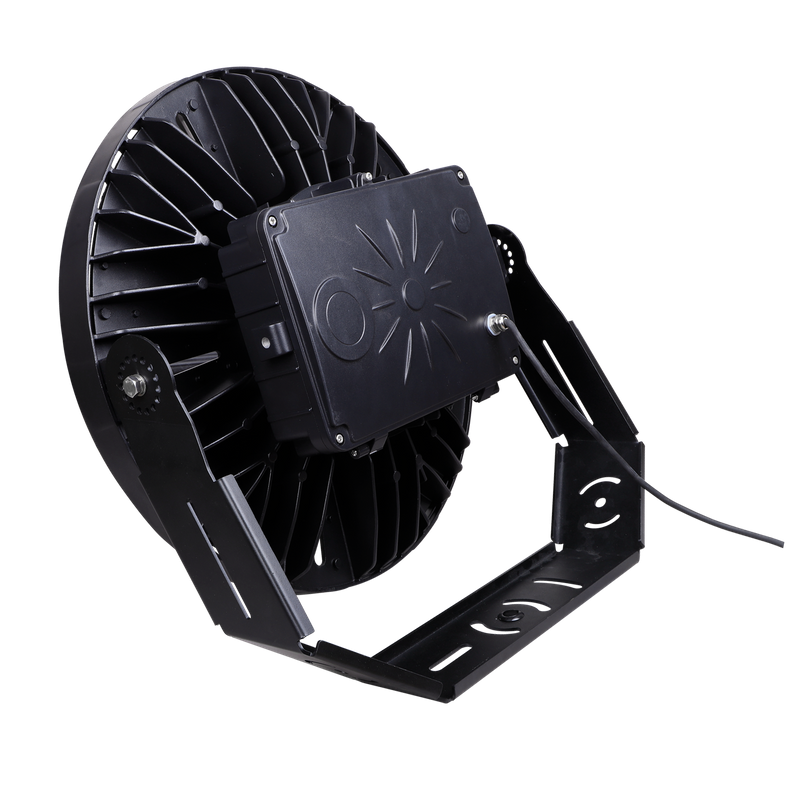
The lifespan of a lighting system is a crucial factor in its total cost of ownership. Traditional metal halide lamps typically last 10,000 to 20,000 hours, whereas LED luminaires can last 50,000 hours or more. This longer lifespan reduces not only the frequency of lamp replacements but also the associated labor and logistics. AOK has a strong track record of delivering products that last, backed by their extensive testing and certification. The company has obtained numerous certifications, including ISO9001, ISO14001, UL, TUV, and RoHS, all of which assure customers of the quality and longevity of their products.
Replacing a sports lighting fixture involves more than just the cost of the lamp. There are costs for the maintenance crew, rental equipment, disposal of old lamps, and, importantly, the loss of use of the facility. For a professional stadium, any downtime can mean canceled events, lost revenue, and damaged reputation. LED lighting, with its extended lifespan and modular design, minimizes these risks. AOK’s tool-free maintenance structure allows for quick replacement of any faulty component without dismantling the entire fixture, further reducing replacement time and costs. Over the life of a system, these savings can be substantial, often exceeding the initial capital cost difference between LED and traditional lighting.
One of the often overlooked benefits of LED sports lighting is the ability to precisely control light distribution. Traditional lamps emit light in all directions, requiring reflectors to direct it downward, but this often results in uneven illumination, glare, and light spillage into surrounding areas. LEDs, on the other hand, can be arranged in arrays with individual lenses to create precise beam patterns tailored to the specific application. This ensures that light is directed exactly where it is needed, minimizing lost light and reducing energy consumption.
AOK excels in optical design, with a mature light distribution database and over 80 new or upgraded product designs delivered annually. The company uses advanced simulation software to model lighting performance before installation, allowing clients to visualize the outcome and optimize the design. For sports lighting, uniform illumination is critical for player safety and fair play, as well as for broadcast quality. AOK’s sports lighting solutions comply with FIFA standards for international venues, offering high efficacy, lightweight construction, and excellent illumination uniformity. This precision not only reduces energy use by avoiding over-lighting but also lowers the number of fixtures required, reducing equipment and installation costs. Additionally, precise optical control reduces light pollution, which is increasingly regulated and can otherwise result in fines or the need for costly shielding.
Modern LED sports lighting systems come with the potential for intelligent control, enabling significant energy savings beyond just the inherent efficiency of LEDs. AOK integrates smart control capabilities into its lighting systems, allowing for scheduling, dimming, and even real-time adjustments based on occupancy or natural light levels. For example, a stadium might require full lighting only during events, but the system can be dimmed to a lower level for maintenance or security. This simple feature can reduce energy consumption by an additional 30% to 50% from an already efficient LED system.
AOK’s involvement in 5G smart light poles demonstrates its commitment to IoT integration. These poles combine LED lighting with sensors, cameras, and communication technology, enabling centralized management of the lighting infrastructure. For sports facilities, such systems can be used to monitor energy usage, detect faults, and schedule maintenance proactively. The data collected can help facility managers identify trends and optimize operation further. AOK also offers solar-powered solutions for outdoor sports areas, combining high-efficiency LEDs with renewable energy storage. The new generation of solar street lighting systems with up to 220 lm/W, when applied to sports lighting, can make a facility entirely self-sufficient in terms of energy, eliminating operational energy costs. While the initial investment may be higher, the long-term savings of solar plus LED are unbeatable, especially in sunny regions.
When investing in a lighting system, quality is paramount. A low-quality LED luminaire may claim high efficacy but can fail prematurely, negating any cost savings. Reputable manufacturers like AOK differentiate themselves by adhering to international standards and obtaining rigorous certifications. AOK’s products carry a host of certifications, including UL/CULUS, DLC, CE, CB, ENEC, ROHS, TUV, FCC, VEET, SAA, QCC, PSE, and EMC. These certifications are not just badges; they indicate that products have been tested for safety, performance, and environmental compliance. For sports lighting projects, especially those that may receive public funding or must meet building codes, having certified products is often a requirement.
AOK’s quality management system is ISO9001 and ISO14001 certified, ensuring that its manufacturing processes are consistent and environmentally responsible. The company has a factory covering approximately 10,000 square meters, with four production lines and an average daily production capacity of around 2,500 pieces. This scale allows for rigorous quality control while meeting large order demands. AOK’s track record includes serving customers in over 100 countries and completing more than 10,000 projects, installing over one million units. These achievements are a testament to the reliability and durability of AOK products. By choosing certified, high-quality LED lights, facility owners avoid the hidden costs of premature failures, safety incidents, and non-compliance penalties.
When calculating long-term cost savings, the reliability of the product is a critical factor. A lighting system that fails frequently costs more in maintenance and downtime. AOK’s extensive project portfolio provides strong evidence of reliability. In the United States alone, over 30,000 AOK streetlights have been successfully deployed in municipal projects, demonstrating both product consistency and compliance with stringent local standards. Notably, AOK became the first Chinese supplier to be selected for U.S. municipal street lighting projects, a significant achievement that underscores its capability to meet high international standards.
Beyond road lighting, AOK has delivered lighting solutions for U.S. airport parking areas and nationwide used-car retail chains, where large-scale parking lot illumination requires high uniformity, glare control, and long-term operational stability. In the Middle East, AOK has supported key infrastructure projects, including port and roadway lighting in Saudi Arabia, as well as the Mecca plaza lighting project. These benchmark cases collectively validate AOK’s capability to operate across regulatory systems, climate zones, and application complexities. For sports lighting, AOK’s solutions comply with FIFA standards, making them suitable for international football fields and large stadiums. This proven reliability translates into fewer failures, lower maintenance costs, and consistent performance over the long term, all of which contribute to cost savings.
One of the most persuasive arguments for switching to LED sports lighting is the quick return on investment (ROI). Although the upfront cost of LED luminaires is higher than traditional lamps, the energy and maintenance savings typically lead to payback within a few years. For example, a project that saves $20,000 per year in energy and maintenance might have an additional upfront cost of $50,000 compared to traditional lighting. The payback period would be 2.5 years. After that, the savings continue to accumulate for the life of the system, which can be 20 years or more. This means over the long term, the LED system can save hundreds of thousands of dollars.
AOK helps its clients achieve attractive ROI through several means. First, its high-efficacy products require fewer fixtures, lowering initial costs. Second, its long lifespan and durable construction reduce replacement and maintenance expenses. Third, its smart controls and solar options cut energy use further. AOK also provides professional lighting simulation services, allowing clients to forecast energy consumption and savings accurately. These projections are invaluable for budgeting and securing financing. In many regions, there are also utility rebates and incentives for upgrading to energy-efficient lighting, which can offset the initial cost. AOK’s team is knowledgeable about these opportunities and can guide clients through the incentive process. When all these factors are combined, the economic case for AOK LED sports lighting becomes compelling.
| Cost Component | Traditional Metal Halide | AOK LED Sports Light |
|---|---|---|
| Initial Purchase and Installation | Lower upfront cost | Higher upfront cost |
| Annual Energy Consumption (500 hours) | 60,000 kWh | 22,000 kWh |
| Annual Energy Cost ($0.12/kWh) | $7,200 | $2,640 |
| Lamp/LED Lifespan | 15,000 hours | 60,000 hours |
| Replacement Frequency (per 30,000 hours) | 2 times | 0.5 times |
| Average Annual Maintenance Cost | $2,000 | $500 |
| Total Annual Operating Cost | $9,200 | $3,140 |
| 10-Year Operating Cost | $92,000 | $31,400 |
| Net Savings over 10 Years | - | $60,600 |
The table above provides a simplified illustration of the cost differences. Actual numbers may vary based on specific project parameters, electricity rates, and usage hours, but the trend is clear: LED lighting offers enormous long-term savings. AOK’s high-quality products maximize these savings.
The higher upfront cost of LED lighting can be a barrier for some organizations, but various financing mechanisms and incentives can mitigate this. Many energy service companies (ESCOs) offer performance-based contracting, where the savings from reduced energy consumption pay for the installation over time. There are also green financing programs, leases, and power purchase agreements (PPAs) specifically for energy-efficient upgrades. Additionally, many utilities provide rebates for installing qualified LED products. To qualify for these incentives, lighting products often need to be certified, such as with DLC or UL listings. AOK’s products meet these standards, ensuring that customers can take advantage of available programs.
AOK also works closely with engineering contractors and project developers, offering flexible cooperation models including OEM, ODM, SKD, and CKD. This flexibility enables customers to align with local assembly requirements, tariff structures, and branding strategies. By reducing initial capital outlay through smart sourcing and regional assembly, the overall project cost can be lowered, improving ROI. AOK also provides regional project protection policies, helping partners avoid internal competition and secure market positioning in their respective territories. These business model innovations are part of AOK’s commitment to helping clients not only win projects but also maximize profitability over the long term.
Beyond financial savings, switching to LED sports lighting has significant environmental advantages. LED lights consume less energy, which reduces greenhouse gas emissions from power plants. They also contain no hazardous materials like mercury, which is present in metal halide lamps, making disposal safer and cheaper. AOK’s products are RoHS certified, ensuring they are free from hazardous substances. The longer lifespan of LEDs also means fewer lamps end up in landfills. For organizations with sustainability goals, LED lighting is an essential step. AOK is committed to environmental responsibility, complying with ISO14001 and investing in renewable energy solutions. By choosing AOK, facility owners can reduce their carbon footprint while also benefiting from lower operating costs.
AOK’s development of solar lighting products reflects its dedication to new energy directions. The company has been investing in R&D of solar lighting systems, which can be integrated with LED sports lighting for outdoor venues. Solar-powered lighting systems, with high efficacy and advanced battery storage, offer the ultimate in sustainability, significantly reducing or eliminating energy costs. While the initial investment in solar is higher, the long-term savings are substantial, especially in sunny climates. Additionally, utilizing solar energy can protect facilities from rising energy prices and ensure operational resilience in the event of grid failures. AOK’s expertise in both LED and solar technologies positions it as a one-stop solution for sustainable sports lighting.
AOK’s extensive project portfolio provides concrete examples of long-term cost savings. In the United States, AOK installed over 30,000 streetlights in municipal projects, where energy savings have been carefully tracked. These installations not only improved visibility and safety but also reduced the cities’ energy bills significantly. One municipal project in the Midwest retrofitted its entire street lighting network with AOK LED luminaires. The city reported a 58% reduction in energy consumption and a substantial decrease in maintenance calls, translating to an annual savings of $400,000. The lighting quality also improved, enhancing public safety and satisfaction. Though these are streetlight projects, the same technology and benefits apply directly to sports lighting.
In the sports sector, AOK has illuminated numerous football fields and stadiums to FIFA standards. A university stadium in the Middle East replaced its metal halide system with AOK LED sports lights. The university projected a payback period of just 3.2 years, based on energy and maintenance savings. After the installation, the energy costs dropped by 65%, and the lighting uniformity improved to 0.7, exceeding the required standard. Additionally, the facility now uses smart controls to dim the lights during practice sessions and non-peak hours, yielding even greater savings. This project demonstrates how AOK’s professional sports lighting solutions deliver tangible financial returns. For large-scale projects, AOK also offers lighting simulation services to help clients visualize the outcome and optimize the design for maximum cost efficiency.
Investing in LED lighting is a forward-looking decision, but choosing the right manufacturer ensures that the investment remains relevant for years to come. AOK is dedicated to innovation, with over 80 new or upgraded product designs delivered annually. The company holds a robust patent portfolio: 76 appearance patents, 55 utility model patents, 14 invention patents, and 2 U.S. product patents. This intellectual property demonstrates a constant effort to improve product performance, reliability, and user experience. For example, the tool-free maintenance design introduced in 2024 is a breakthrough that reduces maintenance costs across the product lifecycle. As technology evolves, AOK ensures its products are compatible with new standards and smart systems, future-proofing the customer’s investment.
AOK’s focus on high luminous efficacy and long-term reliability is the cornerstone of its competitive advantage. As early as 2012, its street lighting products achieved 130 lm/W, an industry-leading figure at the time. By 2024, its solar lighting systems reached 220 lm/W, demonstrating a continuous improvement curve. This relentless pursuit of efficiency means that customers who choose AOK today are getting the most advanced technology available, maximizing energy savings. Moreover, AOK’s commitment to reduced installation and maintenance costs for customers is evident in its product designs. By simplifying installation and maintenance, AOK helps clients save money from day one and throughout the system’s life.
Long-term cost savings also depend on reliable after-sales support. AOK provides a responsive after-sales framework with 24-hour feedback and solution delivery within 48 hours. This ensures that any issues are promptly addressed, minimizing downtime and associated costs. Standard products come with a 5-year warranty, with optional extensions up to 10 years. This generous warranty reflects confidence in the product’s reliability and protects the customer from unforeseen expenses. AOK’s service system is a critical component of the value proposition, as it reduces risk and gives clients peace of mind.
For large-scale sports lighting projects, the availability of spare parts and technical support is crucial. AOK’s substantial production capacity ensures that spare parts are available to fulfill warranty obligations. The company’s core values—innovation, quality, honesty, trustworthiness, and service—guide its interactions with clients. AOK aims to achieve common development with its global international trading partners, meaning that the company is invested in the long-term success of its clients. This partnership approach is rare in the industry and adds to the overall value of an AOK lighting system.
The long-term cost savings of switching to LED sports lighting are compelling. When all factors are considered—energy efficiency, maintenance, lifespan, reliability, and operational flexibility—LED lighting offers a significantly lower total cost of ownership compared to traditional systems. AOK Industrial Company Limited, with its advanced technology, certified quality, and proven track record, stands as a trusted partner in this transition. Its products are designed not only to illuminate but also to deliver substantial financial benefits over their extensive lifetime.
From high luminous efficacy to tool-free maintenance and smart controls, AOK’s innovations directly reduce costs. The company’s experience across over 100 countries and 10,000 projects provides assurance that its solutions are robust and effective. Whether it’s a municipal stadium, a school athletic field, or a professional arena, AOK’s sports lighting solutions can be tailored to meet specific needs, ensuring optimal performance and maximum savings. By choosing AOK, facility owners and contractors are not just purchasing lighting; they are making a strategic investment in long-term economic and environmental benefits. The transition to LED is not a luxury but a financial necessity in today’s energy-conscious world, and with AOK, the path to savings is clear and achievable.


